
Services
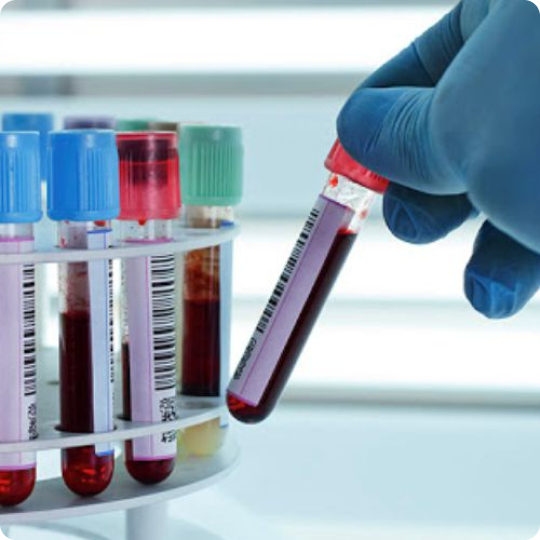
Pathology
A pathology test is a laboratory analysis of bodily samples—such as blood, urine, or tissue—to diagnose, monitor, or treat diseases, acting as a crucial “gold standard” for diagnosis.
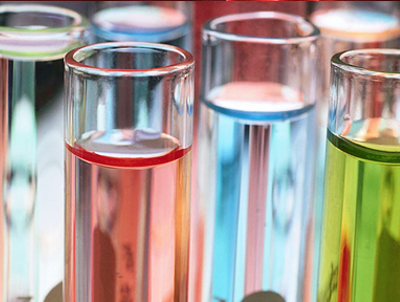
Bio-Chemistry
A biochemistry test (or clinical chemistry test) is a laboratory analysis of bodily fluids—mainly blood plasma or serum—that measures specific substances like enzymes, proteins, electrolytes, and hormones to evaluate organ function and metabolic health.
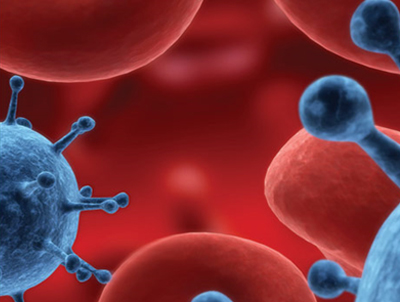
Immunology
An immunology test (or immunologic blood test, serology test) is a diagnostic analysis that uses antigen-antibody reactions to assess immune system function and detect infections, allergies, or immune disorders.
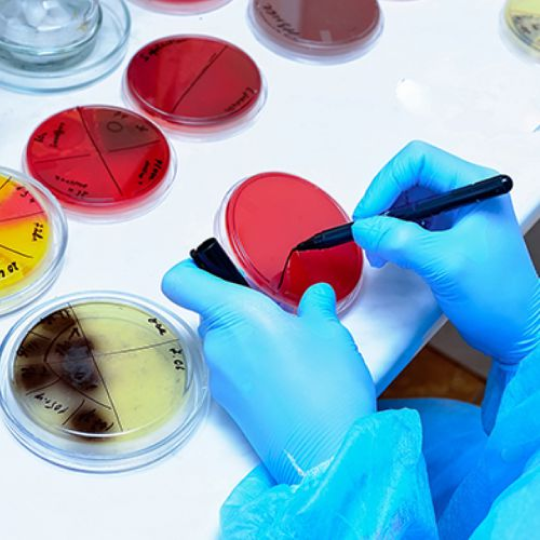
Micro Biology
A microbiology test is a diagnostic procedure that analyzes samples (blood, urine, tissue, swabs) to detect and identify microorganisms—bacteria, fungi, viruses, or parasites—causing infections.
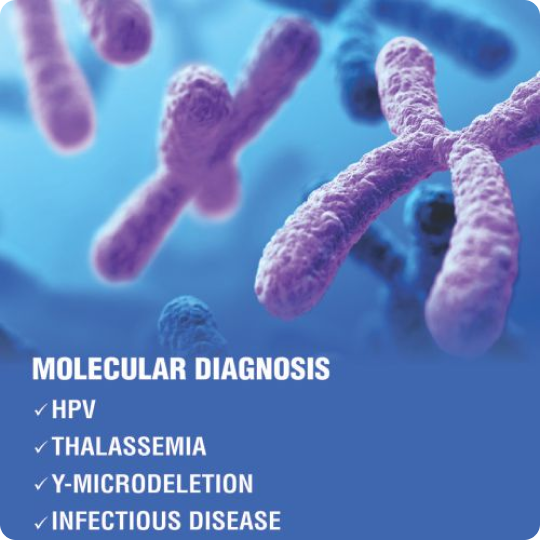
Molecular Diagnosis
A molecular diagnosis test is a laboratory method that analyzes genetic material—specifically DNA or RNA—to identify diseases, detect infections, or assess genetic risks at the molecular level.

Genetic Test
Genetic testing is a laboratory analysis of DNA, chromosomes, or proteins to identify genetic changes, mutations, or variations linked to diseases.
Hematology
Hematology is the branch of medicine and biology focused on the study, diagnosis, treatment, and prevention of diseases related to blood, bone marrow, and blood-forming organs.

HistoPathology
Histopathology is the microscopic examination of tissue to study and diagnose diseases, often known as a biopsy.